
West Chester, PA Brisbane, QLD

The New Agenda makes the case: water security depends on built and natural infrastructure working as one system. The Road to Renewable Water is how we turn that principle into action.
Water security does not begin and end at the treatment plant. It depends on the condition of the rivers, lakes, and reservoirs that receive, store and renew water before it reaches the next potable treatment cycle.
Built infrastructure has increased the biological workload placed on this natural infrastructure beyond its capacity to process it. Organic material accumulates. Oxygen is depleted. Nutrients recycle. Source water becomes progressively harder and more expensive to treat.
The Road to Renewable Water restores that balance. It defines the end state we need to get to, turns that into an implementable Roadmap, restores biological capacity through ONE Biotechnology and uses RRATS and RRI to verify recovery and performance.

Renewable Water
The Roadmap
One Biotechnology

RRATS & RRI
This is not a journey to a finish line. Renewable Water is a managed state that must be reached, verified, and sustained. RRATS and RRI establish the baseline used to build the Roadmap then continue throughout implementation to verify recovery, guide adaptation and measure performance.
Renewable Water is water that natural infrastructure can continually return for potable treatment in a dependable, treatable and manageable condition.
The same water has circulated through the water cycle countless times for millennia. It is the biological condition and performance of our natural infrastructure that determines the quality of the water reaching the next treatment plant and the burden placed upon it.
A full reservoir is no guarantee of a secure supply. Toledo, Salem and Delhi all had water available when source-water quality disrupted potable production. Water that cannot be treated is not a secure supply, however much of it there is.
Natural infrastructure does essential biological work, but that capacity becomes overwhelmed as built infrastructure increases the organic and nutrient loads discharged into it. When the workload exceeds processing capacity, organic sediment accumulates, oxygen demand rises, hypoxia expands, nutrients recycle from the sediment, and toxic HAB risk rises.
Restoring Renewable Water means giving natural infrastructure the biological support it needs to process the continuing workload and the already accumulated biological debt.
Turn biological recovery into an implementable program
A Roadmap to Renewable Water brings the client’s mandate, infrastructure, regulation, budget and decision-making structure together in one practical program.
Every Roadmap works toward the same Renewable Water end state – all roads lead to renewable Water – but no two routes are identical. Each Roadmap aligns the biological requirements of recovery with the practical realities of implementation, funding, governance and long-term management.
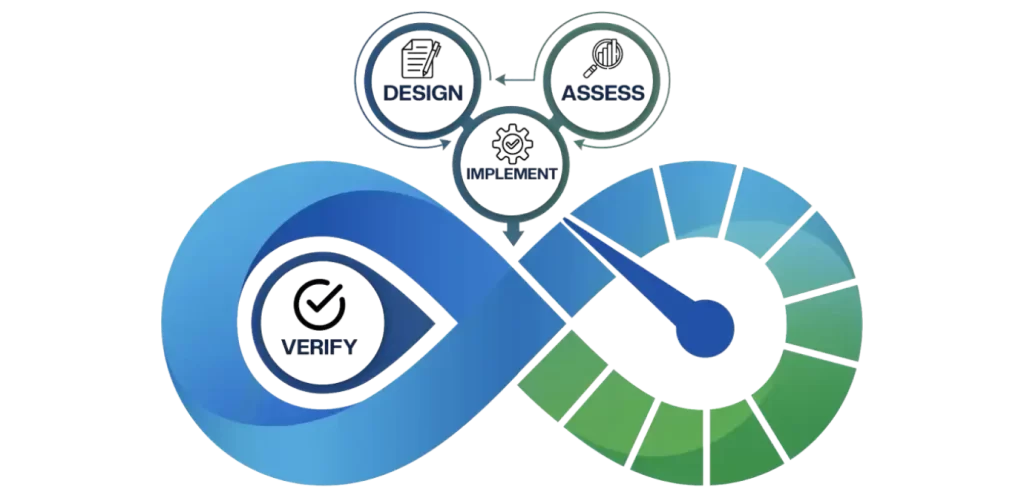
1. Assess biological condition and risk. We use RRATS and RRI to establish the baseline, identify root cause status and determine trajectory and risk.
2. Design the biological recovery program. We configure and sequence the ONE Biotechnology solution platform interventions.
3. Implement the program. We deliver the biological recovery program in defined phases, with clear responsibilities, milestones and decision points.
4. Verify and adapt. We use RRATS evidence and RRI trajectory to confirm performance, guide course correction and sustain the Renewable Water state.
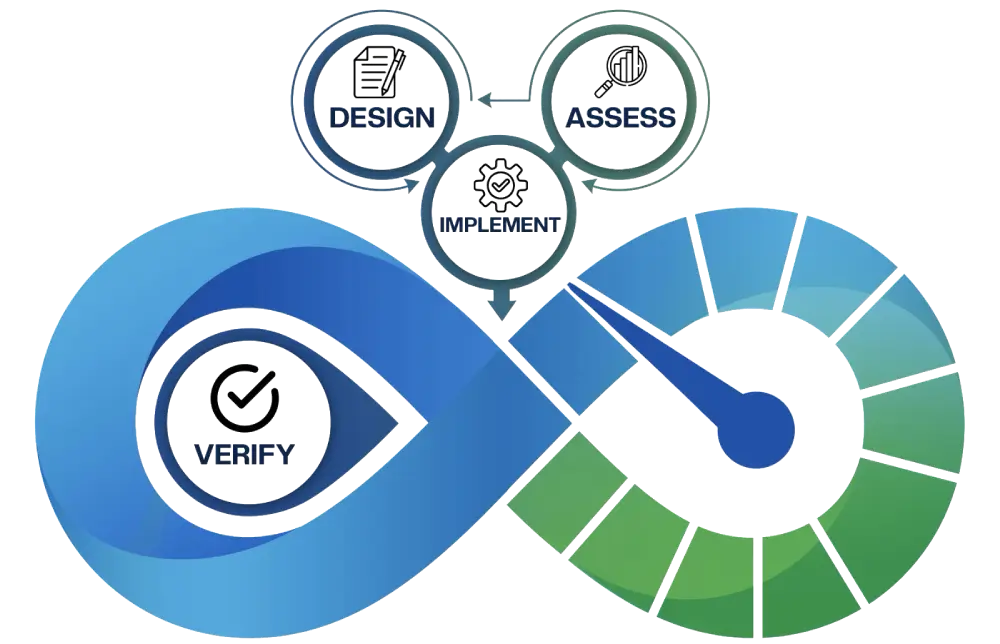
Natural water infrastructure is a living system. Conditions change, the system responds and management must adapt. The Roadmap therefore remains active beyond initial recovery. RRATS measures the response. RRI shows the change in risk and trajectory. Those signals guide the continuing management of ONE Biotechnology.
With the required state and route defined, ONE Biotechnology delivers the biological recovery program.
Restore the biology in its inherent order
Eutrophication is a biological system failure from overload. Organic material accumulates faster than the system can process it. Decomposition consumes oxygen from the sediment upward. Benthic life contracts. Nutrients recycle. Cyanobacteria gain access to those nutrients, toxic blooms grow and die, and the cycle reinforces itself.
ONE Biotechnology reverses that sequence. It does not treat blooms, weeds, nutrient levels or isolated oxygen readings as separate problems. It restores the intrinsic biological functions through which natural infrastructure renews water quality.
Each restored function creates the conditions required for the next. Oxygen enables sediment processing. Sediment processing supports food-web recovery. A functioning food web restores nutrient clearance and water-renewal capacity.
Oxygen dynamics, sediment burden, nutrient availability, phytoplankton, hydrology and catchment pressures determine how the recovery sequence is configured, implemented and managed
Know where the system is, where it is heading and whether recovery is happening
Conventional monitoring tracks lagging indicators of visible symptoms: chlorophyll-a, total phosphorus, water clarity and toxins. Those measurements do not show clearly whether the biological mechanisms driving decline are strengthening or weakening.
RRATS, the Reservoir Risk Assessment & Tracking System, measures leading indicators of the root causes, scale and trajectory of biological risk.

RRI, the Reservoir Risk Index, converts that evidence into a clear management signal. It shows whether risk is rising, stable or declining; what intervention is most urgent; and whether recovery is happenng fast enough.
The performance question is simple: did the intervention move the water body measurably toward the Renewable Water end state? If the surface clears but organic sediment accumulation, hypoxia and nutrient recycling continue beneath it, the system has not recovered.
Renewable Water defines the standard. The Roadmap sets the course. ONE Biotechnology restores biological capacity. RRATS and RRI measure risk, guide action, verify recovery and sustain performance.
Together, they turn biological decline from an unmanaged risk into a measurable, actionable path to water security.

Join us. The future of water is biological.
© Sustainable Infrastructure Solutions